Waldorf, Maryland
Well Pump and Well Services in Waldorf, MD
Well Pump and Well Services in Waldorf, Maryland, with the published national price range up front, the problem confirmed on site, and a written figure before any work begins.
Waldorf, Maryland
Well Pump and Well Services in Waldorf, Maryland, with the published national price range up front, the problem confirmed on site, and a written figure before any work begins.
Out toward Bensville, Accokeek, and the edges of Charles County, the water does not arrive from a street main. It comes up out of the ground through your own well, which means your water pressure is a machine's job, not a utility's. When that machine falters, the symptoms are specific: pressure that pulses, faucets that spit air, a pump clicking on and off every few seconds. Waldorf Plumbing Company services pumps, tanks, and switches for Waldorf area well homes, diagnosing by component instead of swapping parts on suspicion.
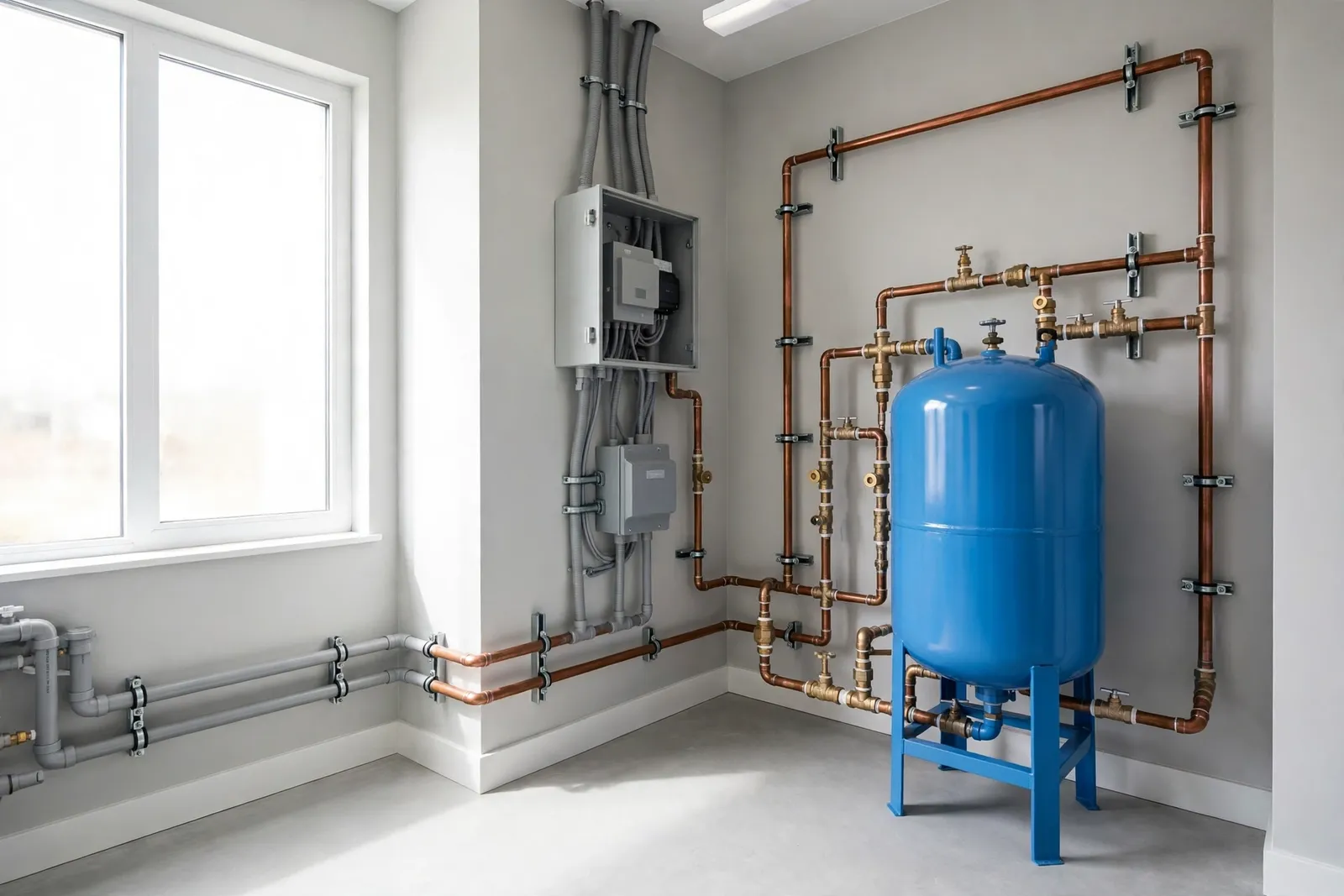
A well system is three components working in sequence. The pump, submersible down in the well or a jet pump at the surface, moves the water. The tank stores a reserve behind a flexible bladder, so the pump does not start for every glass of water. The switch watches tank pressure and tells the pump when to run. Each part fails in its own way, with its own symptom, which is why diagnosis starts with what the water is doing.
Short cycling, a pump starting and stopping in rapid bursts, usually points at the tank: a failed bladder leaves no air cushion, so pressure swings with every draw. Air spitting from faucets points the same direction. Steady but weak pressure leans toward a tiring pump or sediment in the lines. No water at all starts with the switch and the power path. We test each component in turn and replace only the part that failed. The pump is the expensive component, and we condemn it last, after the tank and switch clear.
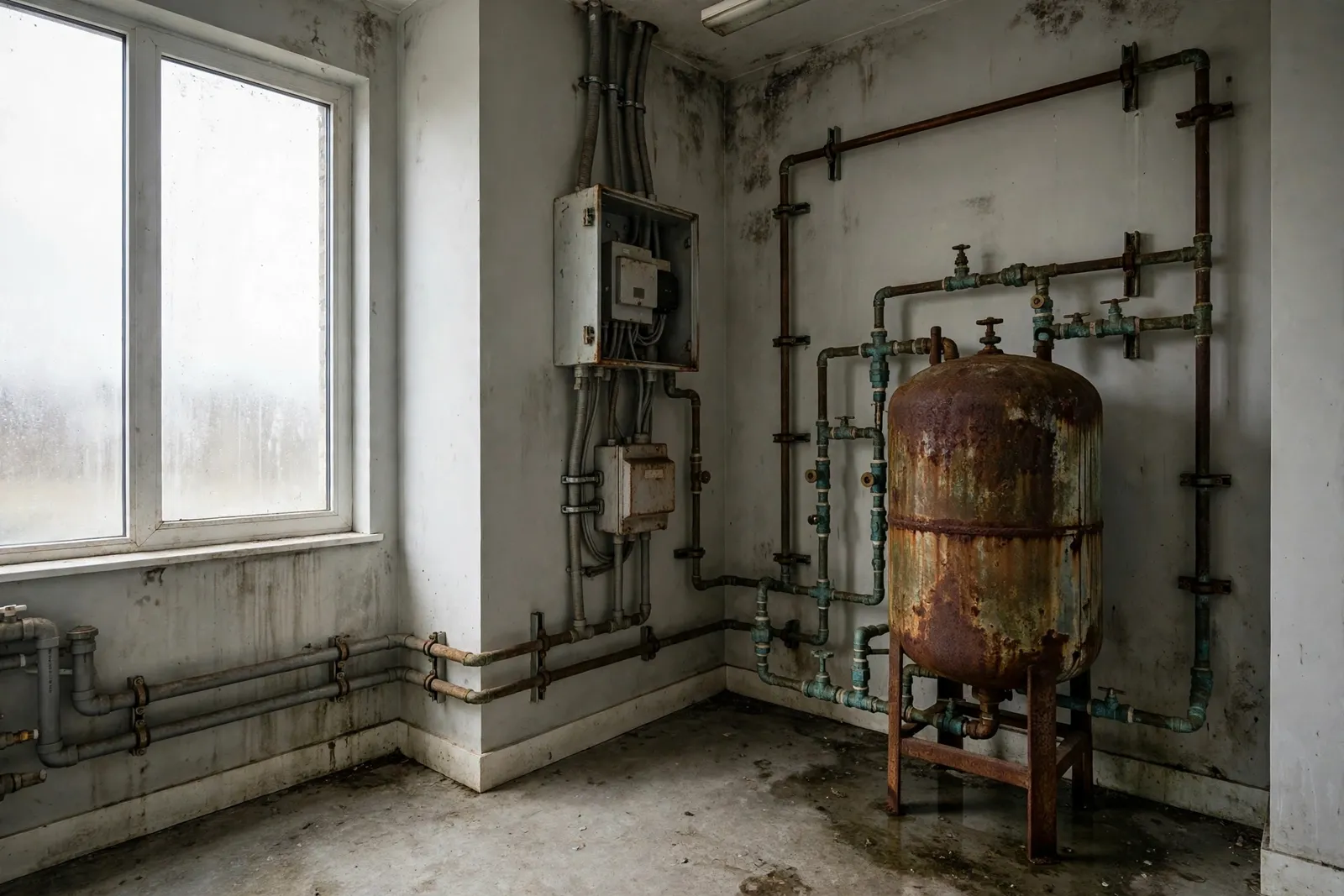
A Bannister home on a private well had pressure that surged and faded, with faucets spitting air every morning. Testing found the pressure tank waterlogged, its bladder failed, and the switch contacts pitted from years of rapid cycling. The pump tested sound and stayed. The crew replaced the tank and switch, set the charge, and ran a full draw cycle.
Well work prices by component, and the spread between components is the whole story. The switch is the smallest part and the least costly to replace. A tank is mid-sized: more than a switch, far less than a pump. The pump is the largest cost, and a submersible replacement adds the labor of pulling the unit out of the well. Because the failed part sets the price, we diagnose first and state the figure before replacing anything. A pressure problem that turns out to be a tank should never be billed as a pump, and on this page's way of working, it is not.
The quiet killer of well components is cycling. A pump is built for long, steady stretches, and every short start wears it. A waterlogged tank forces exactly that pattern, hundreds of extra starts a day, so a tank problem left alone becomes a switch problem, then a pump problem. Sediment is the second tax: it loads filters, abrades fixtures, and clouds every diagnosis. Catching the small component early is the cheapest habit a well owner can build.
Pulsing pressure usually means the tank has lost its air cushion, most often a failed bladder. Without the cushion, pressure swings sharply with every draw and the pump cycles rapidly. The tank is the first component we test.
Short cycling is the pump starting and stopping in rapid bursts instead of steady stretches. It wears the pump and switch far faster than normal use, and it is almost always a symptom of a tank or switch problem, worth fixing before it becomes a pump problem.
Air at the faucet usually means the tank's bladder has failed, or the well is drawing air at the pump. The tank is the common cause and the first test.
It depends entirely on which component failed, which is the point of diagnosing first. A switch is the smallest part, a tank sits in the middle, and a pump is the largest cost. We test, name the failed part, and state its figure before replacing anything.
A pump delivering steadily weaker pressure, or one that will not run after the switch and power path check out, points at the pump. We clear the tank and switch first, because both can imitate a pump failure while costing far less.
Yes, that is how every well call works. Pressure readings, a tank charge test, and a switch inspection separate the components cleanly. You hear which part failed and what it costs before any part comes off.
Tell us what is leaking, clogged, or running cold. We read every request that comes in and respond with the published national range for that kind of work and the next step, starting with a visit to confirm the diagnosis on site.
Prefer to talk it through first? Send the form and we will call you back at the number you give us.