Waldorf, Maryland
Drain Cleaning in Waldorf, MD
Drain Cleaning in Waldorf, Maryland, with the published national price range up front, the problem confirmed on site, and a written figure before any work begins.
Waldorf, Maryland
Drain Cleaning in Waldorf, Maryland, with the published national price range up front, the problem confirmed on site, and a written figure before any work begins.
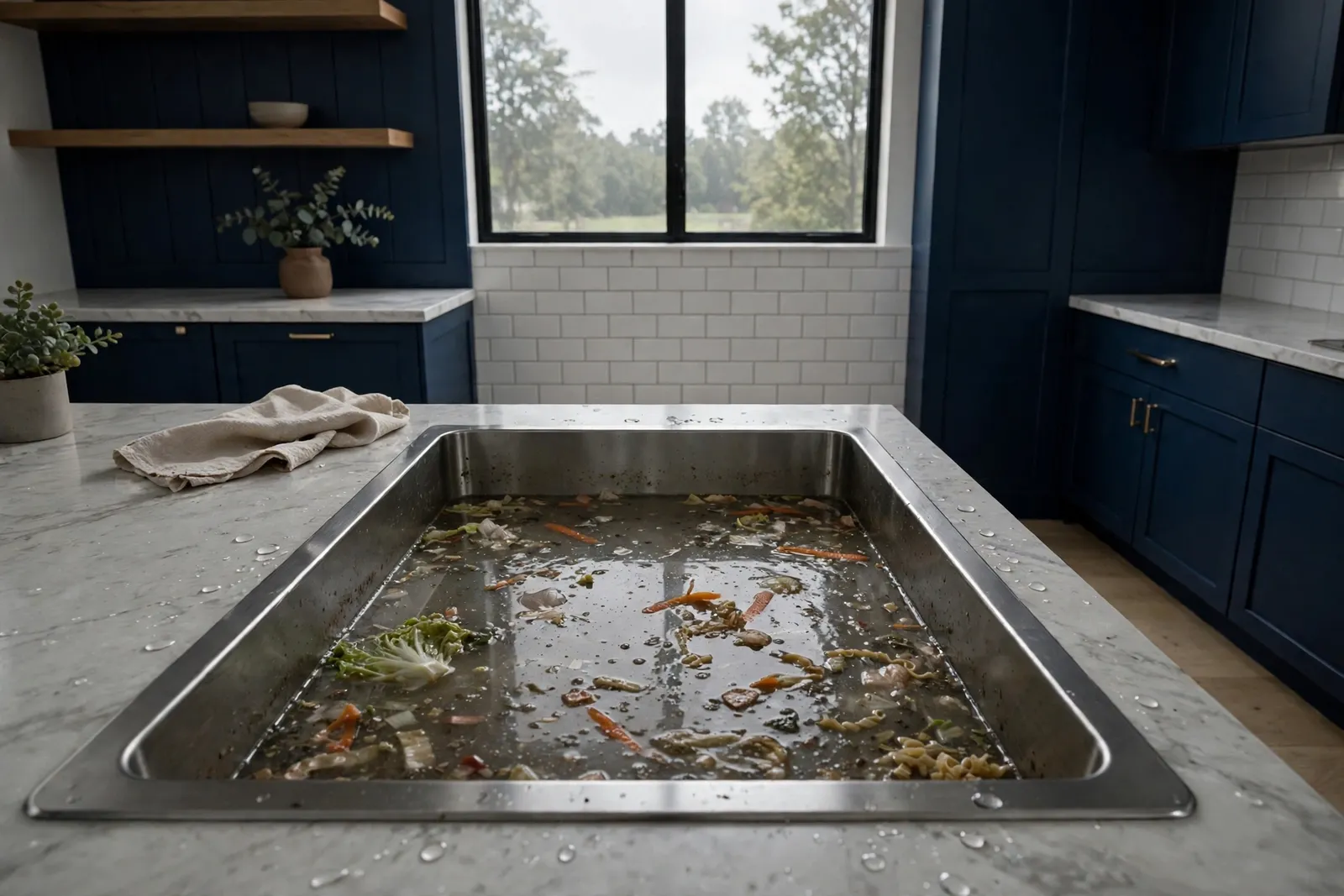
A kitchen sink that empties a little slower every week is telling you something about the inside of its pipe. Grease cools and coats the walls, food residue settles on top of it, and the opening narrows until one evening the sink fills during dinner dishes and simply stays full. By the time a Waldorf homeowner calls about a drain, the clog has usually been building for months.
Drain cleaning is the work of clearing that pipe properly, with a cable sized to the line, so the full opening comes back instead of a small hole poked through the middle of the clog. A hole drains for a week. A cleaned pipe drains for years. Waldorf Plumbing Company clears kitchen and bathroom drains, laundry lines, and main lines, and we reach for a camera whenever a blockage has a history of coming back.
Kitchen lines clog from the inside out. Cooking grease goes down warm and liquid, then cools against the pipe wall and hardens into a layer that catches coffee grounds, rice, and food scraps. Homes that cook most nights can narrow a kitchen line within a couple of years, and a disposal hides it for a while by grinding the evidence smaller without moving it along.
Bathroom lines clog from the top down. Hair wraps around the crossbars inside a drain and traps soap and toothpaste into a mat that thickens a strand at a time. A tub that drains slowly after every shower is almost always this, and the mat sits close to the fixture, which makes it one of the quicker lines to clear.
Main lines are the serious ones. The main carries everything the house produces, and in Waldorf it often runs under a front yard planted decades ago with oaks and maples whose roots have found the pipe joints. Roots enter through a hairline gap, grow into a brush inside the pipe, and catch everything that passes until the whole house slows down at once. Scale and settled low spots add to it in the clay and cast iron lines under the older parts of town.
Every clearing starts at an access point, most often the cleanout, because working from the cleanout lets the cable run the full length of the line instead of stopping at a trap. The operator picks a cable and head for the pipe in front of them: a smaller cable with a cutting head for an interior branch line, a heavier machine with root cutters when the main is involved. The head does the work, not force: a cable that is right for cast iron can be wrong for thin-walled PVC.
As the cable runs, it tells a story. A soft clog gives way gradually and the water drops in a rush. A root mass fights back and comes out in strands on the cutter. Grease comes back in ropes. Each finding changes what we recommend, which is why a clearing that uncovers roots or a collapsed section turns into a camera inspection rather than a second appointment with the same clog.
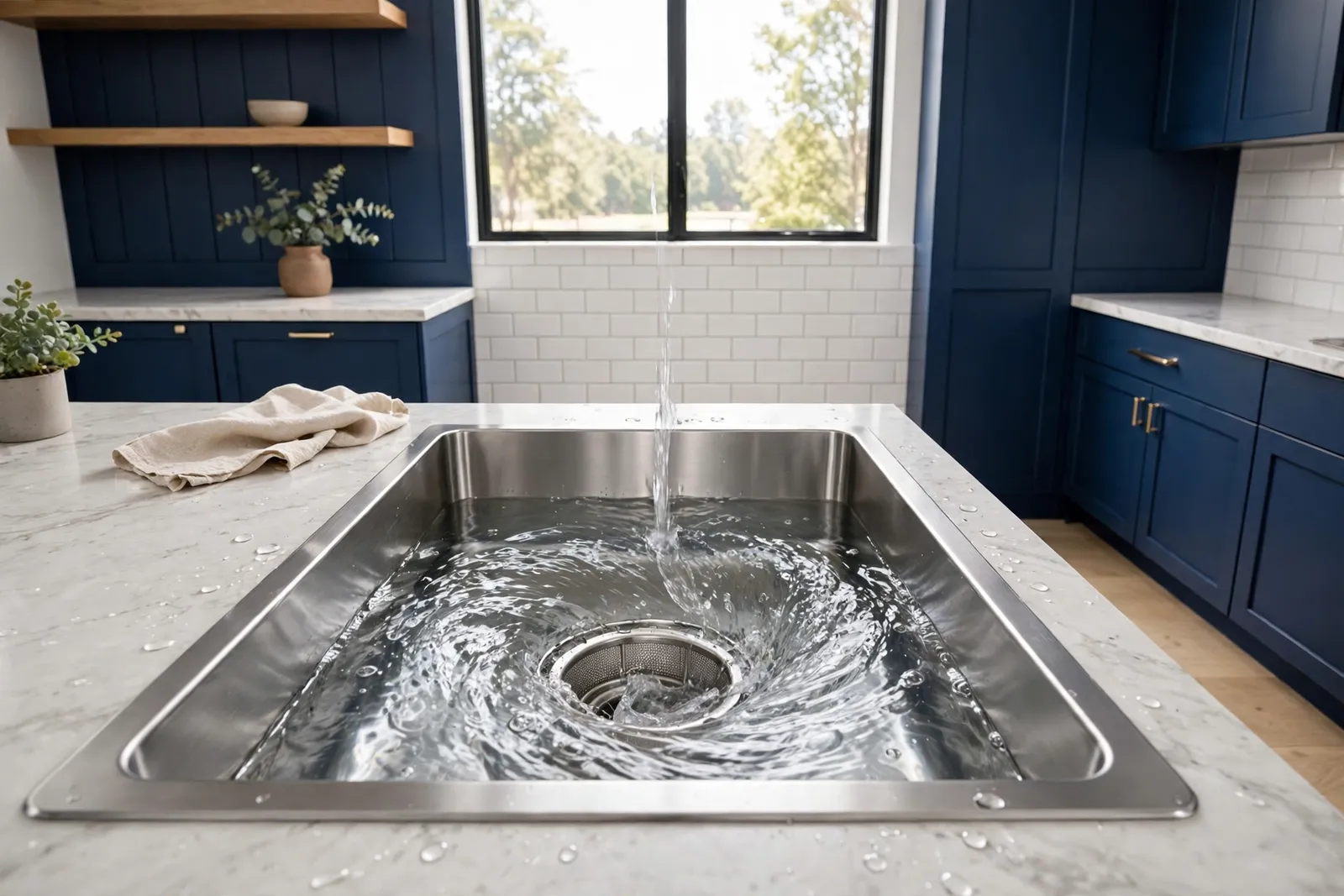
When the line is open, we run water hard and watch it move. A drain is not finished because the cable reached the end; it is finished when a full sink empties at speed and a flushed toilet pulls the way it should.
A Bannister rancher had slow drains in both bathrooms and a gurgling hall toilet every time the washing machine emptied. From the cleanout, the heavy cable hit resistance about forty feet out and came back wrapped in fine oak roots. The crew cut the root mass out of the clay main in passes, flushed the line, and ran a camera that showed the joints holding with roots entering at one seam, so the homeowner got a clear picture of the line's condition along with the clearing.
No plumbing company serving Waldorf publishes local pricing, so the figures here are the published national ranges from Angi 2026 cost guides, labeled as exactly that. Use them to plan; use the quote form to get the range for your line.
Drain clearing runs $95 to $500 nationally. A single interior line, a bathroom sink or tub with a mat of hair and soap close to the fixture, sits at the low end. A main line clearing with root cutting sits higher, because the equipment is heavier and the run is longer. Adding a camera inspection when a clog keeps returning raises the visit's total but usually lowers the year's, since it replaces repeat clearings with one repair decision.
What moves the figure is access, length, and what the cable finds. A cleanout that is easy to reach keeps the visit simple. A line with no cleanout, or one buried under a finished floor, adds work before the clearing even starts. Roots cost more to clear than grease, and a pipe that turns out to be cracked or bellied changes the conversation from cleaning to repair, with the camera footage to show why.
Some drains clog because something went down them. Others clog because the pipe itself has changed, and cleaning those is maintenance on a problem that will keep its schedule. The signs are patterns, not single events. The same sink backs up every few months no matter what you stop putting in it. Two or more fixtures slow down together, which points past the branch lines to the main. A toilet gurgles when the shower drains, meaning air is being pushed around a partial blockage downstream.
In those cases the clearing is step one and the camera is the diagnosis: roots at one joint, a belly that ponds water and collects everything, or a section cracked and starting to cave. Each has a different fix and a different price, and knowing which one you have is worth more than another clearing. We would rather show you the inside of your pipe once than clear the same clog four times.
Published national ranges from Angi 2026 put drain clearing at $95 to $500. A single bathroom or kitchen line sits near the low end, and a main line with root cutting near the top. No Waldorf company publishes local pricing, so send the quote form describing your clog and we will give you the range that fits it.
Most single-line clearings take about an hour on site. A main line with roots or a camera inspection runs closer to two. The visit ends with fixtures run hard and watched, so the drain proves itself before we pack up.
Repeat kitchen clogs usually mean the grease layer was never fully removed, or the line has a low spot where residue settles. A cable that pokes a hole through grease buys weeks, not years. If the same line clogs on a schedule, a camera pass shows whether the pipe itself is the problem.
We recommend against it. Chemical cleaners sit in the trap when they fail to clear the clog, and that caustic pool is what the cable then has to run through, which is hard on the operator and the pipe. They also rarely touch the grease layer or root mass that causes most Waldorf clogs.
Both. Interior branch lines take smaller cables, and the main line from the house cleanout takes heavier equipment with root-cutting heads. If several fixtures are slow at once, the main is where the problem lives, and that is where we start.
The form asks for your name, phone number, the service, and a short message. Tell us which fixtures are affected and whether this has happened before. We respond with the published range for that clearing and the questions that narrow it down, then schedule the visit with the scope in plain language.
Tell us what is leaking, clogged, or running cold. We read every request that comes in and respond with the published national range for that kind of work and the next step, starting with a visit to confirm the diagnosis on site.
Prefer to talk it through first? Send the form and we will call you back at the number you give us.