Waldorf, Maryland
Backflow Prevention in Waldorf, MD
Backflow Prevention in Waldorf, Maryland, with the published national price range up front, the problem confirmed on site, and a written figure before any work begins.
Waldorf, Maryland
Backflow Prevention in Waldorf, Maryland, with the published national price range up front, the problem confirmed on site, and a written figure before any work begins.
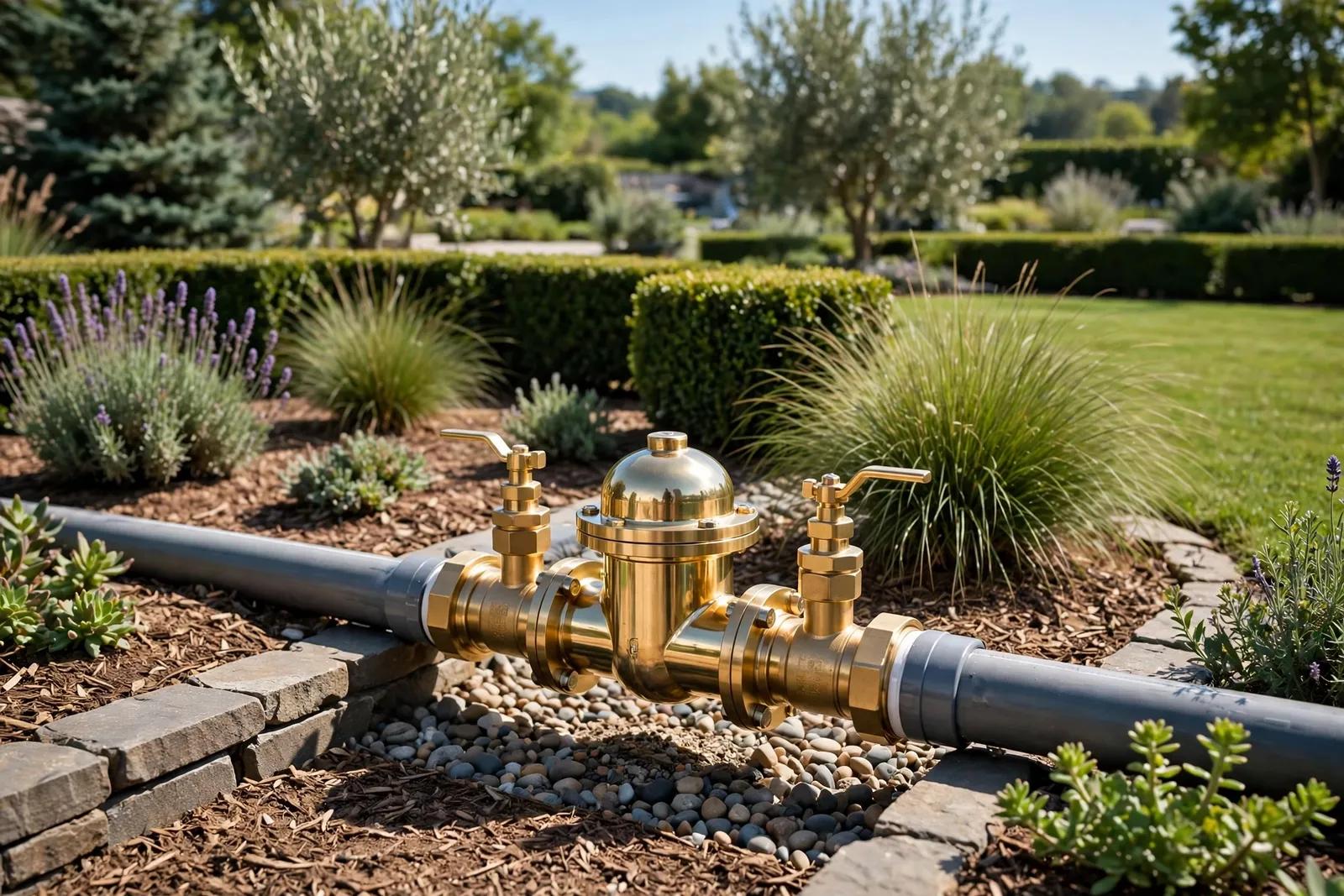
Every sprinkler system, boiler, and commercial water service in Waldorf has one quiet job standing between it and your drinking water: keeping water from flowing backward. A backflow preventer is an assembly of check valves that lets water pass in one direction only, and it matters most when pressure drops somewhere in the system and a main break or heavy draw pulls water the wrong way. We install, test, and repair backflow preventers on irrigation systems, commercial services, and residential connections across Waldorf.
The most common guards the lawn irrigation system, in a green valve box or where the sprinkler feed leaves the house supply. Commercial buildings carry larger assemblies on their main service; boilers and hose connections carry smaller devices. Inside, spring loaded check valves hold against reverse flow, and on larger devices a relief valve dumps water out rather than letting it travel backward. These are mechanical parts in mineral heavy water: checks foul, springs tire, seals harden. That is why preventers are tested on a schedule rather than trusted forever.
A backflow test is a measured procedure, not a glance. Gauges connect to the assembly's ports, and each check valve is measured for the pressure it holds; the relief valve is checked for its opening point. The readings either meet the device's working standard or name the part at fault: a fouled check, a weak spring, a late relief valve. Many failures are rebuilds: the assembly comes apart, checks and seals are cleaned or replaced, and the device is retested until readings hold. Replacement is for corroded bodies, freeze cracks, and outdated designs. The visit ends with a tested device and recorded readings.
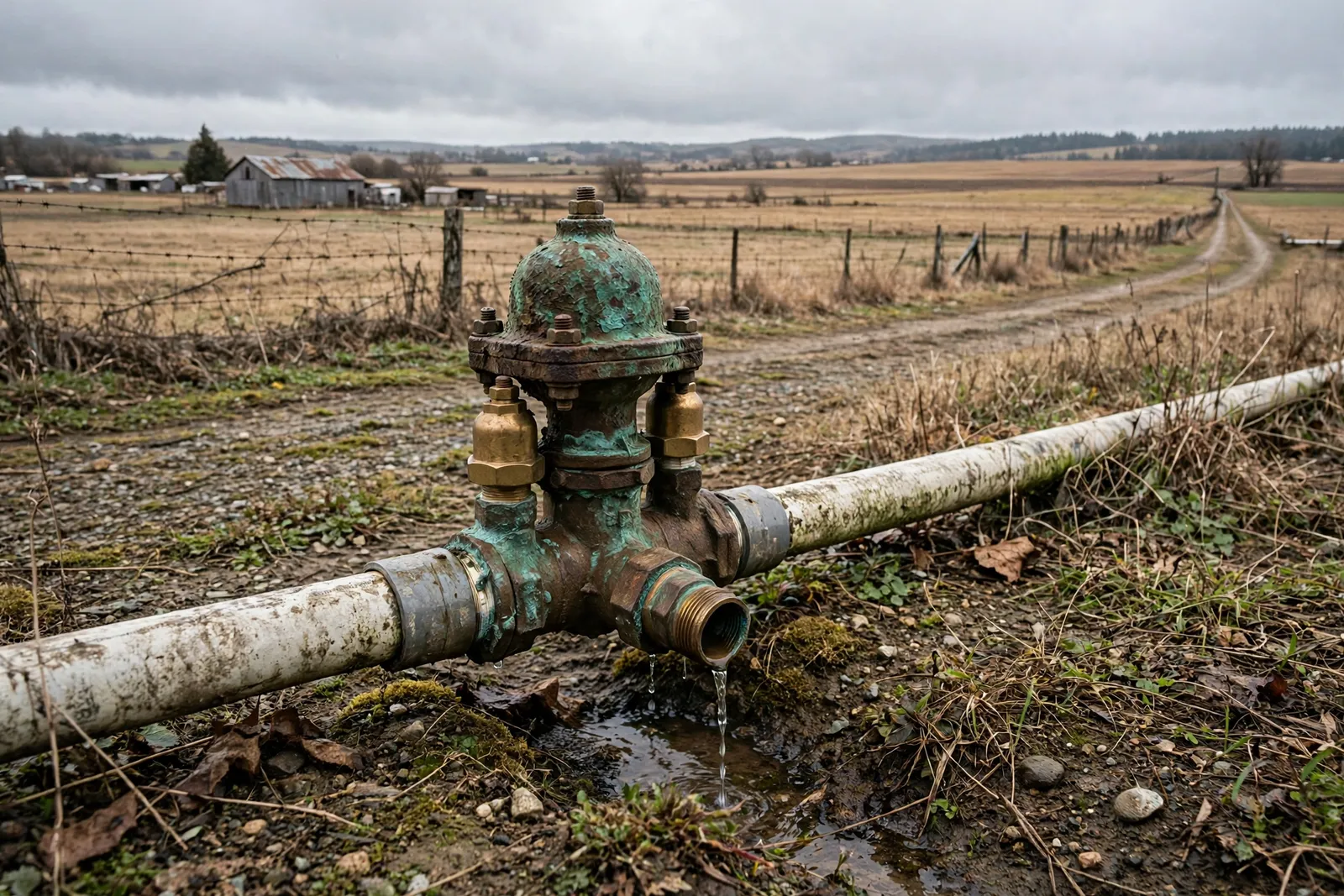
A St. Charles irrigation preventer failed its scheduled test when the first check would not hold pressure and the relief valve wept steadily. The crew found the check fouled with grit and its seal hardened flat. Both checks were rebuilt with new seals and springs, the relief valve cleaned and reset, and the retest held.
Every figure here is a published national range from Angi 2026, because no Waldorf plumbing company publishes local pricing today. Backflow work is framed from the closest published anchors for valve and fixture work: faucet and fixture replacement at $150 to $600 nationally, with testing and rebuild work planned inside that same family of figures.
What moves the figure is the device and its condition. A test on a healthy assembly is the smallest visit in this trade; a failed test turned rebuild adds parts and bench time. A full replacement prices by line size and assembly type, larger commercial devices high, small irrigation units low.
Freeze splits lead the list. A preventer spending the winter charged with water, above ground or in a shallow box, can crack in a hard freeze. Grit fouling follows: idle lines let sediment settle against the checks, and the season's first test shows a valve that no longer seals. Relief valves discharging in spurts often report pressure movement downstream, sometimes from a water heater expanding into a closed system. Rebuilding on a schedule, before a failed test forces the question, is the cheaper habit.
Published national figures from Angi 2026 put faucet and fixture replacement at $150 to $600, and backflow work is planned from that same family. A passing test is the smallest visit; replacements price by line size and device.
Gauges connect to the test ports, and each check valve is measured for the pressure it holds; larger assemblies also get the relief valve's opening pressure checked. The readings show whether the device works and which part failed.
Usually not. Most failures trace to a fouled check, a hardened seal, or a tired spring, all rebuild parts. Replacement is reserved for cracked or corroded bodies and freeze damage.
A steady drip from the relief port usually means debris against a check or pressure movement in the system. A full discharge at spring startup often means the body split over the winter. Either way, a device discharging daily needs a visit.
Irrigation and commercial assemblies are generally tested yearly, and many water systems require periodic testing because the device protects the public supply, not just the property. The recorded readings are the proof it worked that day.
On irrigation, look where the sprinkler feed leaves the house supply: a raised assembly by an outside wall, or a green valve box near the meter. Commercial buildings carry theirs on the main service line, in a mechanical room or vault.
Tell us what is leaking, clogged, or running cold. We read every request that comes in and respond with the published national range for that kind of work and the next step, starting with a visit to confirm the diagnosis on site.
Prefer to talk it through first? Send the form and we will call you back at the number you give us.